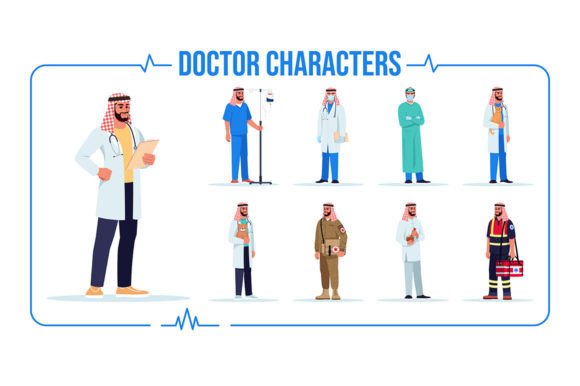
Arab Doctor Svg Vector Illustration Set: Graphics and Illustrations for Editorial Use
In the world of digital publishing, visual communication is not merely decorative; it is a critical component of reader trust and engagement. As a blog designer and content publisher who has spent years refining website aesthetics and editorial layouts, I approach every new graphic design asset with a mix of skepticism and curiosity. Does this image elevate the content? Does it feel authentic to the niche? Today, I am reviewing the Arab Doctor Svg Vector Illustration Set, a collection that promises to bring specific cultural and professional representation into our digital spaces.
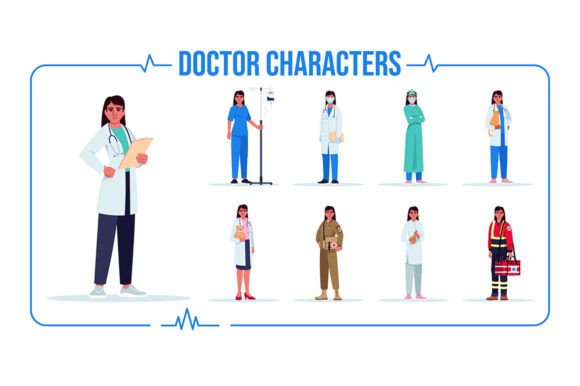
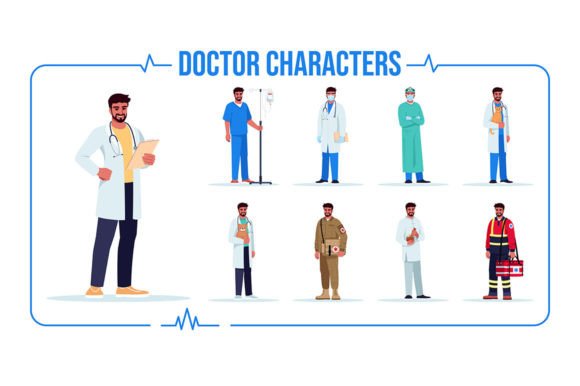
This set features an Arab doctor semi flat RGB color vector illustration style, including characters such as a military medic, a veterinarian, a male nurse with medical equipment, and general hospital personnel. Each character is presented as an isolated cartoon one character on a white background pack Zi. For publishers targeting health, wellness, education, or diversity-focused niches, these visuals offer a distinct alternative to generic stock photography.
First Impressions and Editorial Mood
The immediate impression of the Arab Doctor Svg Vector Illustration Set is one of approachable professionalism. The semi-flat RGB color palette strikes a balance between modern design trends and traditional illustrative clarity. Unlike hyper-realistic photos which can sometimes feel distant or overly clinical, these illustrations invite the reader in while maintaining the authority required for medical or educational topics.
The mood created by these assets is clean, bold, and educational. They do not lean heavily into playful or childish aesthetics, nor are they starkly corporate. Instead, they occupy a sweet spot suitable for serious yet accessible content. This makes them ideal for bloggers writing about healthcare access, community health initiatives, veterinary care, or nursing careers. The isolation on a white background ensures that the focus remains entirely on the character, allowing designers to place them confidently within various layout structures without worrying about cluttered backgrounds.
Real-World Publishing Applications
When preparing content for a real website, versatility is key. Here is how I envision integrating these design assets into a typical publishing workflow:
- Blog Featured Images: Using a custom illustration instead of a photo can help your site stand out in search results and social feeds. These vectors allow for crisp scaling at any resolution, ensuring your featured images look sharp on high-DPI displays.
- Pinterest Pins and Social Media Graphics: The vibrant RGB colors translate well to platforms like Pinterest, where eye-catching visuals drive traffic. The clear subject matter—whether a vet or a doctor—communicates the article topic instantly, improving click-through potential.
- Newsletter Headers and Banners: For email marketing campaigns focused on health tips or industry news, these illustrations provide a consistent visual anchor. They add personality to your content marketing efforts without overwhelming the text.
- Digital Guides and Lead Magnets: If you are creating downloadable resources, such as a "Nursing Career Roadmap" or a "Pet Health Checklist," these graphics can serve as cover art or section dividers. They enhance the perceived value of your digital product.
- Category Thumbnails: On a multi-author blog, using consistent illustration styles for different categories (e.g., Veterinary vs. Human Medicine) helps users navigate your site more intuitively.
Supporting Content Performance
Investing in high-quality illustrations directly impacts how readers perceive your brand identity. By using the Arab Doctor Svg Vector Illustration Set, you signal inclusivity and attention to detail. This contributes to stronger reader trust, as audiences increasingly appreciate diverse representation in media.
Furthermore, these assets support better visual hierarchy. Because the characters are isolated and stylized, they can be paired effectively with headline text. When used correctly, they guide the eye toward your call-to-action buttons or key takeaways. This consistency across all your web design elements—from your website header to your footer—creates a cohesive brand experience that feels polished and professional.
Strategic Placement and Best Practices
To maximize the effectiveness of these graphics, consider where they fit best within your editorial strategy:
- Hero Images: Large-scale usage on landing pages can create a powerful first impression.
- Article Thumbnails: Smaller applications work well when the details remain legible.
- Editorial Accents: Use smaller icons from the set (like medical tools) to break up long blocks of text.
- Social Media Previews: Ensure the aspect ratio fits platform requirements for optimal display.
However, there are areas where caution is advised. In small mobile thumbnails, complex details might become indistinct. Similarly, if your blog layout is already busy with heavy textures or multiple competing images, adding another graphic element could dilute the message. Avoid placing these illustrations on low-contrast backgrounds, as the RGB colors may lose their vibrancy. Additionally, for highly technical medical journals or corporate compliance pages, the cartoon style might feel too informal; in such cases, a more minimal visual system would be preferable.
Practical Publisher Notes for Implementation
Before deploying these assets, I recommend following a rigorous testing protocol:
- Screen Testing: View the illustrations on both desktop monitors and mobile devices to ensure scalability.
- Thumbnail Preview: Shrink the image to 150px width to check if the character remains recognizable.
- Layout Integration: Place the graphic inside a real blog post template alongside your actual headlines to assess spacing.
- Typography Pairing: Test the illustration beside serif fonts for a classic editorial look, sans-serif fonts for modern cleanliness, script fonts for creative blogs, and display fonts for bold headers. See how the visual weight balances with each typeface.
- Contrast Check: Verify readability against your background colors. A black-and-white preview can help determine if the composition holds up without color reliance.
- Performance Optimization: Compress the SVG or PNG files properly to maintain fast page load times. Web performance is crucial for SEO and user retention.
- Licensing Verification: Confirm the commercial license terms before using these graphics on monetized websites, affiliate pages, or paid content products. Ensuring you have the right permissions protects your business legally.
Conclusion for Creative Entrepreneurs
The Arab Doctor Svg Vector Illustration Set is more than just a collection of images; it is a tool for enhancing your brand identity and communicating nuanced messages through creative design. Whether you are an affiliate marketer looking to improve the appeal of your review posts, an online educator designing course materials, or a small business owner building a health-related service site, these graphics offer a versatile solution.
By integrating these modern design elements thoughtfully, you can elevate your editorial design standards, improve your visual hierarchy, and create a more engaging experience for your audience. Remember that good content marketing relies on the synergy between compelling copy and striking visuals. This illustration set provides the latter, allowing you to focus on delivering valuable insights to your readers.