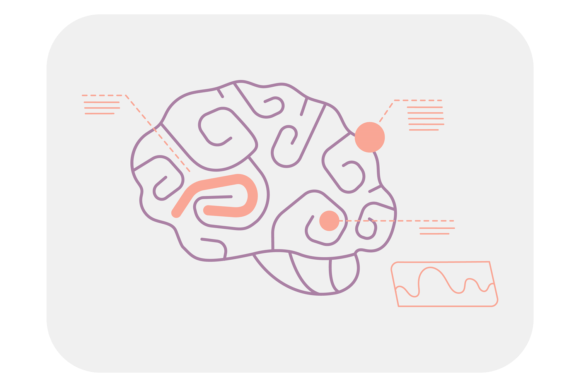
Brain Areas Scan. Neurology Function Med Graphics and Illustrations
In the world of digital publishing, visual trust is just as important as editorial accuracy. As a blog designer who has spent years building content systems for health, science, and educational niches, I know that the difference between a scroll-past and a click-through often comes down to one thing: clarity. When you are dealing with complex topics like neurology, your audience needs to feel confident in the information immediately. That is where high-quality graphic design assets become critical infrastructure for your website.
I recently evaluated a specific asset titled Brain Areas Scan. Neurology Function Med to see how it fits into a real-world content workflow. This piece is not merely decorative; it is a functional illustrations element designed for clarity. It presents a medical infographic style, isolated on a white background, available in multiple formats including EPS, JPG, SVG, and transparent PNG. For publishers looking to elevate their editorial design, understanding how this asset performs is essential.
The First Impression: Professionalism Meets Clarity
When you first load Brain Areas Scan. Neurology Function Med into your design software, the mood is distinctly professional and clean. It avoids the cluttered aesthetic of older medical diagrams while retaining the authority of scientific illustration. The isolation on a white background suggests versatility, allowing it to drop seamlessly into various web design contexts without fighting for attention against busy backgrounds.
This asset creates an editorial mood that is educational, modern, and trustworthy. It does not feel playful or overly decorative, which is crucial when discussing sensitive health topics. Instead, it signals to the reader that the content following it is researched, accurate, and serious. For bloggers in the wellness, psychology, or medical fields, this immediate perception of quality can significantly boost reader retention. It supports a brand identity that values precision and transparency.
Real-World Publishing Applications
In my workflow, I rarely use a single image for just one purpose. A high-quality vector or raster graphic like this should be treated as a core component of your content marketing strategy. Here is how I integrate such assets across different platforms:
- Blog Featured Images: Use the scan as the primary visual anchor for articles discussing cognitive function, neurological disorders, or brain health tips. Its clean lines ensure it looks sharp even at smaller sizes.
- Pinterest Pins: This is a high-performing format for social traffic. Pair the isolated brain scan with bold, sans-serif typography overlaying the white space. The negative space provided by the isolation makes text placement easy and readable, driving higher click-through rates.
- Newsletter Graphics: In email campaigns, visual hierarchy is key. Place this graphic at the top of your newsletter to visually summarize the topic before the reader dives into the copy. It acts as a visual headline.
- Digital Guides and Lead Magnets: If you are creating a downloadable PDF guide on "Understanding Your Brain," this asset serves as an excellent interior chapter divider or cover element. It adds a layer of polish that justifies the value of the digital product.
- Social Media Previews: For LinkedIn or Facebook posts targeting professionals, this graphic conveys expertise. It is less "clickbaity" than cartoonish illustrations and more aligned with a B2B or expert-to-consumer communication style.
Supporting Content Performance
Why spend time sourcing specific design assets instead of using generic stock photos? The answer lies in consistency and brand recognition. Using a cohesive set of graphics helps build a stronger brand identity over time.
Brain Areas Scan. Neurology Function Med supports content performance by establishing a clear visual hierarchy. When readers see consistent styling across your blog posts, Pinterest boards, and email newsletters, they begin to recognize your content instantly. This familiarity breeds trust. Furthermore, a polished look reduces cognitive load. Readers do not have to struggle to interpret messy visuals; they can focus on your message. This leads to longer session durations and lower bounce rates, both of which are favorable signals for search engine optimization.
Where This Asset Works Best
To get the most out of this graphic, place it where its strengths can shine. It excels in:
- Hero Images: Large, full-width headers on desktop views allow the details of the scan to be appreciated.
- Article Thumbnails: The distinct shape of the brain scan stands out in grid layouts, making it easier for users to spot your content among competitors.
- Editorial Accents: Use it as a small icon next to bullet points in long-form articles to break up text blocks.
- Category Visuals: Create a unified look for your "Neurology" or "Health Science" category pages by using variations of this scan.
Areas of Caution
No single asset is perfect for every scenario. There are situations where Brain Areas Scan. Neurology Function Med might not be the right choice:
- Small Mobile Thumbnails: On very small screens, intricate details may disappear. Ensure the version you use remains legible at 100x100 pixels.
- Text-Heavy Blog Images: Avoid placing large blocks of text directly over the scan if it lacks sufficient contrast. The white background helps, but readability is paramount.
- Busy Layouts: Do not pair this with other complex patterns or images. Let the scan breathe.
- Serious Corporate Niches: While professional, it is still an illustration. If your site requires photorealistic imagery for legal or strict corporate compliance, verify that this style meets your standards.
Practical Publisher Notes
Before adding this to your library, consider these technical checks:
Test Across Devices: Always preview the graphic on both desktop and mobile screens. A design that looks balanced on a wide monitor might feel too sparse on a phone.
Font Pairing: Experiment with pairing this graphic with different typefaces. It works well with clean sans serif fonts for a modern look, but can also support serif fonts for a more academic, journal-like feel. Avoid overly decorative scripts that might clash with the scientific nature of the image.
Contrast and Readability: Check how the graphic interacts with your brand colors. If you place it on a dark background, ensure the white isolation doesn’t create a harsh halo effect. Testing in black and white can help you assess the structural integrity of the design.
File Size and Performance: Since it is available as an SVG, prioritize vector formats for web use to keep page load times fast. Compress JPG versions appropriately to maintain quality without sacrificing speed.
Licensing: Finally, confirm your commercial license. Even if you are a small business owner or affiliate marketer, you must ensure you have the right to use the asset for monetized websites, paid content products, and promotional materials. Proper licensing protects your reputation and your revenue streams.
Ultimately, Brain Areas Scan. Neurology Function Med is a robust tool for any publisher aiming to communicate complex ideas with elegance. By integrating it thoughtfully into your creative design workflow, you enhance the user experience and reinforce your authority in the niche. Whether you are updating your website header or designing a new lead magnet, this asset provides the visual foundation needed to engage and inform your audience effectively.