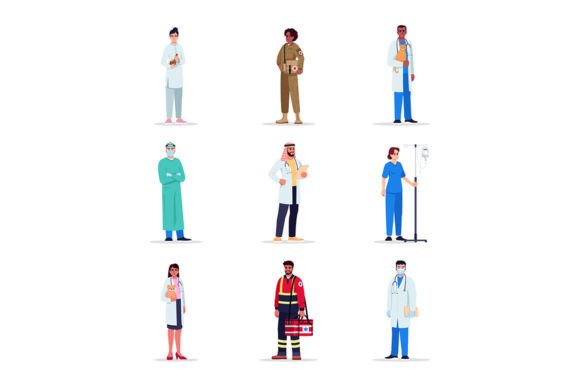
Doctors Svg Vector Color Illustrations
As an embroidery designer who has spent years turning digital concepts into stitched reality, I approach every new asset with a mix of optimism and skepticism. The market is flooded with clipart that looks great on a screen but falls apart under the needle. When I first pulled up Doctors Svg Vector Color Illustrations, I wasn’t just looking at a pretty picture; I was mentally mapping out stitch paths, evaluating color blocking, and imagining how this would translate to physical products for my clients and my own shop.
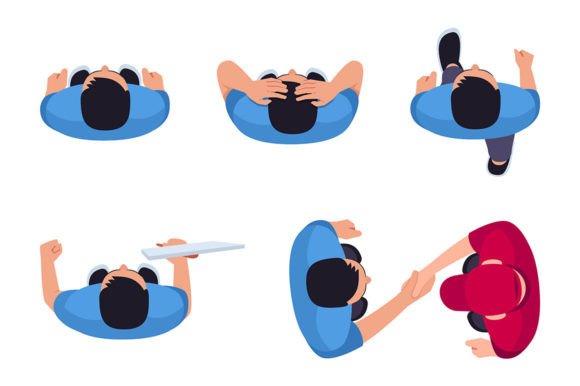
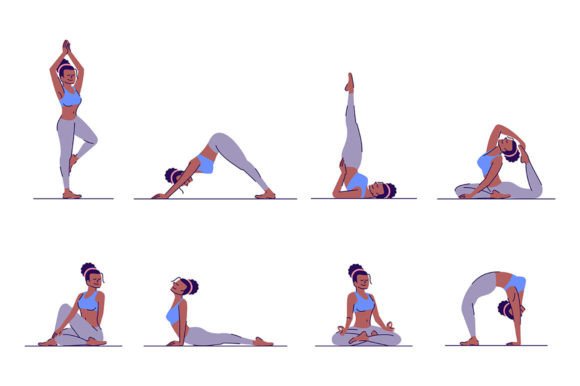
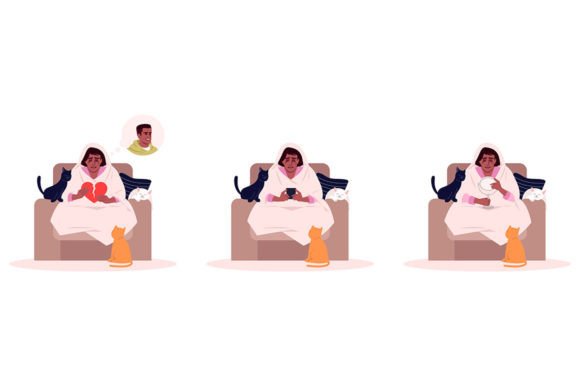
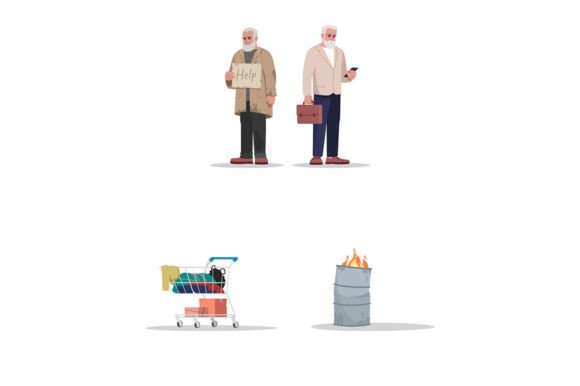
This collection, featuring a pediatrician, veterinary surgeon, nurse with an intravenous pole, and advanced practitioners in a semi-flat RGB style, immediately caught my eye. But does it hold up when we talk about real-world application? Let’s dive into the practicalities of using these graphics for your next embroidery project.
First Impressions: Visual Personality and Theme
The "semi-flat" aesthetic is a smart choice for modern branding. It strikes a balance between the rigidity of technical medical illustrations and the whimsy of cartoon art. For an embroidery designer, this means the shapes are distinct enough to be recognizable but soft enough to feel approachable. The mood is professional yet warm, which is exactly what you want when designing for healthcare themes.
I see this design naturally fitting into a variety of niches. It’s not just for doctors; it’s for anyone celebrating a career change, a graduation, or a personal connection to the medical field. The inclusion of different roles—like the vet and the nurse—expands the potential customer base significantly. Whether you are targeting aspiring nurses or proud pet owners, this set offers versatility that generic single-character designs often lack.
Real-World Application: From Screen to Stitch
Let’s imagine a specific scenario. You are preparing a batch of custom embroidered tote bags for a local hospital’s staff appreciation week. You need something that looks high-quality but isn’t overly complex to produce quickly. This is where Doctors Svg Vector Color Illustrations shines. The isolated characters on a white background make digitizing or tracing much cleaner than trying to separate overlapping elements.
For a tote bag design, the bold outlines and clear color separation work beautifully. The semi-flat style translates well to fill stitch areas, allowing for rich texture without getting muddy. However, if you are moving this to smaller items like caps or aprons, you need to be mindful of scale. A full-color vector illustration can become a dense block of thread if not scaled correctly. I recommend testing the layout on a sweatshirt embroidery mockup first to ensure the character doesn’t overwhelm the garment.
Another strong use case is personalized gifts. Think about a new mom receiving a baby blanket with a cute pediatrician motif, or a retired nurse getting a kitchen towel with her favorite role depicted. The embroidered patch application is also viable here, especially for uniforms or denim jackets. The clean edges of the vector allow for neat satin stitches around the perimeter, giving the final product a polished, boutique feel.
Technical Considerations and Fabric Choices
While the visual appeal is high, the success of any embroidery project depends on execution. Here is where my experience as a reviewer comes into play. These illustrations are provided as vectors, which is excellent, but you must consider the fabric texture before stitching.
Machine embroidery design relies heavily on contrast. If you plan to stitch this on dark fabric, you will likely need a cut-applique base or heavy stabilizer to support the colors. On light fabrics, the RGB colors will pop, but be careful with thin materials like lightweight cotton tees or jersey knits. Without proper stabilizer, the hoop marks can leave permanent indentations, ruining the look of a handmade product.
Also, consider the stitch density. Semi-flat illustrations often rely on solid blocks of color. If your digitizing software converts these into dense fill stitches, you risk puckering, especially on stretchy fabrics like those used in baby clothes or athletic wear. For delicate items, I suggest breaking down the large color areas into lighter fill patterns or using fewer thread colors to reduce bulk.
Where to Use Carefully
Not every surface is created equal. While this design is versatile, there are certain situations where you should proceed with caution:
- Small Hoop Sizes: If you are stitching tiny details on a 4x4 hoop, the fine lines in the vector might get lost or become too small for the machine to handle accurately.
- Textured Fabrics: Materials like terry cloth or heavy fleece can obscure the definition of the semi-flat style. Stick to smoother fabrics like canvas or twill for best results.
- Curved Surfaces: Applying this to caps or sleeves requires careful hooping. The flat nature of the vector might distort if the fabric stretches unevenly during stitching.
- Dense Stitch Areas: Avoid placing large, dense fills near seams or zippers, as the added thickness can cause discomfort or mechanical issues with the garment.
Impact on Product Value and Branding
In the world of Etsy sellers and small business merchandise, presentation is everything. Using a cohesive, high-quality graphic like Doctors Svg Vector Color Illustrations elevates your brand perception. It signals to customers that you care about detail and aesthetics. When a buyer sees a professionally executed design on a pillow cover or tea towel, they are more likely to trust the quality of your other products.
Furthermore, the thematic clarity of this set aids in marketing. You don’t have to explain what the image is; the recognition factor is instant. This speeds up the decision-making process for buyers, which is crucial for craft fair products and online listings. The ability to offer a range of related designs (doctor, nurse, vet) allows you to create themed collections, increasing the perceived value of your shop.
Practical Designer Notes for Success
Before you commit to a large production run, follow these steps to ensure your finished product meets your standards:
- Test on Scrap Fabric: Always stitch a sample on the exact fabric you plan to sell. Check for color bleeding, fabric distortion, and stitch clarity.
- Check Thread Color Contrast: Ensure that adjacent colors in the vector are distinct enough to be separated by thread. If two shades of blue are too close, they may blend together in the final stitch.
- Review Stitch Density: Adjust the digitization settings to prevent over-stitching. Less is often more, especially for detailed illustrations.
- Inspect Small Details: Zoom in on the original vector. Are there tiny elements that won’t survive the stitching process? Simplify if necessary.
- Confirm Licensing: Since you are likely using this for commercial embroidery or selling digital product previews, double-check the license terms. Some assets are for personal use only, while others allow commercial sales of finished goods.
Ultimately, Doctors Svg Vector Color Illustrations is a strong candidate for designers looking to add medical-themed items to their repertoire. It offers the right blend of professionalism and charm, making it suitable for everything from holiday gifts to custom apparel. By paying attention to fabric choice, stabilization, and stitch quality, you can transform these digital graphics into tangible, profitable products that resonate with your audience.