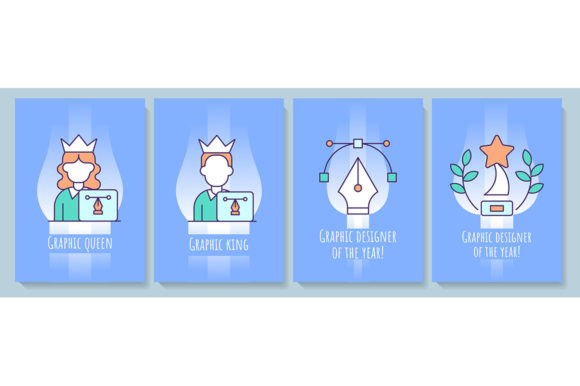
Graphic Designer Greeting Cards Set: Graphics and Graphic Templates for Publishers
In the world of digital publishing, the difference between a scroll-past and a click-through is often visual. As an experienced blog designer who has spent years refining editorial layouts and optimizing content presentation, I know that readers judge credibility within seconds. When evaluating a graphic design asset like the Graphic Designer Greeting Cards Set, we are not just looking at pretty pictures; we are assessing how well this tool supports our brand identity, enhances readability, and drives engagement across various platforms.
This review focuses on the practical application of these assets in real-world publishing workflows. Whether you are managing a high-traffic affiliate blog, creating educational newsletters, or building a digital product suite, understanding the editorial value of your visual components is crucial. The Graphic Designer Greeting Cards Set offers a specific aesthetic—centered around color icon elements, postcard vector designs, and decorative flyers with creative illustrations—that can significantly elevate your content marketing efforts if used strategically.
The Editorial Mood and First Impressions
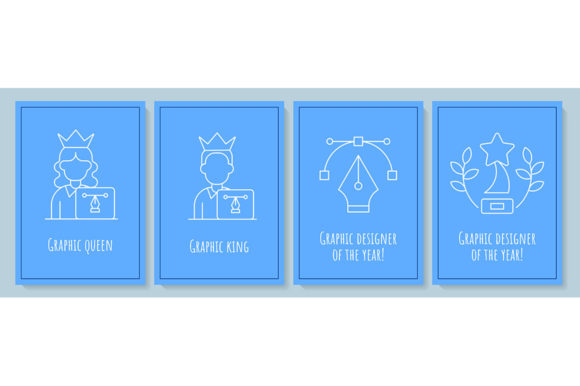
When I first imported the files from the Graphic Designer Greeting Cards Set into my design workspace, the immediate takeaway was the balance between playfulness and professionalism. The description highlights a "notecard with congratulatory message on blue," which suggests a palette that is likely calming yet engaging. In editorial design, blue tones often convey trust, clarity, and communication—qualities essential for any publisher aiming to build reader loyalty.
The inclusion of "color icon element sets" provides a modular approach to design. This is not just a static image; it is a collection of graphical components that allow for flexibility. For a content creator, this means you can mix and match elements to create unique visuals without starting from scratch every time. The mood created is modern, clean, and slightly artistic, making it suitable for niches such as lifestyle blogging, creative entrepreneurship, education, and personal development. It avoids the sterile look of corporate templates while steering clear of being overly childish or chaotic.
This aesthetic supports a "friendly expert" persona. It tells the reader, "This content is valuable, but it is also accessible and human." In an era where audiences crave authenticity, using design assets that feel hand-crafted or thoughtfully illustrated can help bridge the gap between algorithmic content and genuine connection.
Integrating Assets Into Real Publishing Workflows
One of the biggest challenges for bloggers and digital publishers is consistency. Maintaining a cohesive brand identity across dozens of posts, social media channels, and email campaigns requires efficient systems. Here is how the Graphic Designer Greeting Cards Set fits into a typical publishing workflow:
- Pinterest Marketing: Pinterest is a visual search engine, and pins need to stand out in a crowded feed. The vector nature of these postcard designs allows for crisp scaling, ensuring they look sharp even when viewed on mobile devices. You can use the decorative flyer elements to frame headlines or quotes, creating eye-catching graphics that drive traffic back to your blog.
- Newsletter Headers and Banners: Email open rates depend heavily on subject lines, but click-through rates rely on the visual hierarchy within the email body. Using the "congratulatory message" style cards as section dividers or call-to-action backgrounds can guide the reader’s eye toward your affiliate links or product recommendations.
- Digital Guides and Lead Magnets: If you offer downloadable resources, worksheets, or eBooks, cover design matters. The creative illustration style of these graphic templates can be adapted for eBook covers, giving your freebies a premium feel that encourages downloads. A well-designed lead magnet increases perceived value, which directly impacts your email list growth.
- Social Media Content Upgrades: For Instagram or LinkedIn, these assets serve as excellent background textures or overlay elements. They add depth to text-heavy posts without overwhelming the message. By using them as a base layer, you can maintain a consistent visual rhythm across your social profiles.
Enhancing Content Performance Through Visual Hierarchy
Good design is invisible; it works so seamlessly that the reader focuses on the message, not the medium. However, poor design distracts. The Graphic Designer Greeting Cards Set aids in establishing a clear visual hierarchy. The use of distinct color icons helps categorize information. For example, if you are writing a listicle about "Top 10 Tools for Bloggers," you might assign a specific icon color to each tool category, helping readers scan the article quickly.
This level of detail improves user experience (UX). When content is visually organized, readers stay on the page longer, reducing bounce rates. Furthermore, a polished appearance builds trust. Readers are more likely to click on affiliate links or purchase products from a site that looks professionally curated. In the competitive landscape of affiliate marketing, your visual presentation is part of your sales pitch.
Additionally, these assets support content marketing goals by making shareable moments. Infographics or quote cards derived from these designs are highly shareable on social platforms. Each share acts as a micro-branding opportunity, exposing your website header and URL to new audiences.
Strategic Applications for Website Elements
Beyond standalone graphics, these assets can enhance core website elements:
- Category Thumbnails: Replace generic stock photos with custom illustrations from this set to differentiate your blog categories. This improves navigation and makes your archive pages more inviting.
- Media Kits: If you are pitching sponsorships, including a slide deck designed with these creative design elements demonstrates your attention to detail and aesthetic sensibility.
- Interactive Quizzes: Use the card borders and decorative elements to frame quiz results or progress bars, adding a gamified feel to your interactive content.
Where Caution Is Required
No single design asset is a silver bullet. While the Graphic Designer Greeting Cards Set is versatile, there are contexts where it may not fit:
- Small Mobile Thumbnails: Intricate vector details can become muddy when scaled down to very small sizes. Always test how the design looks at thumbnail dimensions before finalizing.
- Text-Heavy Images: If you overlay too much text on the "decorative flyer" elements, readability may suffer. Ensure sufficient contrast between the text and the background colors.
- Corporate or Serious Niches: If your brand operates in finance, legal services, or heavy industry, the playful, illustrative style might undermine your authority. In such cases, a more minimal visual system is preferable.
- Busy Layouts: Avoid placing these assets next to other busy graphics or cluttered sidebars. Let the design breathe to maximize its impact.
Practical Publisher Notes for Implementation
To get the most out of these design assets, follow these technical best practices:
Test Across Devices: Preview your graphics on desktop, tablet, and mobile screens. Ensure that the key elements of the postcard design remain visible and legible on smaller viewports.
Check Contrast and Readability: Use accessibility tools to verify that your text meets contrast ratios against the blue and other color elements. This is crucial for inclusive design and SEO.
Font Pairing: Experiment with typography. These illustrations pair well with serif fonts for a classic editorial look, sans-serif fonts for a modern clean aesthetic, or handwritten fonts for a personal touch. Test combinations to find what aligns with your brand identity.
Optimize File Size: Since these are vector-based, you have control over export settings. Compress images properly for web performance. Large file sizes can slow down your site, negatively affecting SEO rankings and user experience.
Verify Licensing: Before using these assets on monetized websites, affiliate pages, or paid content products, confirm the commercial license terms. Ensure you are permitted to modify the graphics and use them for commercial gain without additional fees.
Conclusion
The Graphic Designer Greeting Cards Set is more than just a collection of images; it is a toolkit for enhancing your digital presence. By leveraging its color icon elements and vector versatility, bloggers and publishers can create a more cohesive, trustworthy, and engaging visual experience. Whether you are designing a Pinterest pin, a digital guide, or a website header, these graphic templates offer the creative freedom needed to stand out in a noisy digital landscape. For small business owners and creative entrepreneurs looking to upgrade their small business branding, investing time in mastering these assets can yield significant returns in reader engagement and conversion.